



British Railways Type 03 shunting locomotive (green)
It is a diesel hydraulic shunting locomotive, manufactured by British Railway Engineering Limited in the late 1950 s to early 1960 s. It is a diesel hydraulic shunting locomotive, manufactured by British Railway Engineering Limited in the late 1950 s to early 1960 s. The simple and robust design makes them easy to maintain and reliable in all weather conditions. They are usually assigned to shunts around the UK, performing shunts and light haulage duties. It was an important part of British railway history, representing the development of diesel locomotive technology in that era.

British Railway Type 03 shunting locomotive (blue)
It is a diesel hydraulic shunting locomotive, manufactured by British Railway Engineering Limited in the late 1950 s to early 1960 s. It is a diesel hydraulic shunting locomotive, manufactured by British Railway Engineering Limited in the late 1950 s to early 1960 s. The simple and robust design makes them easy to maintain and reliable in all weather conditions. They are usually assigned to shunts around the UK, performing shunts and light haulage duties. It was an important part of British railway history, representing the development of diesel locomotive technology in that era.
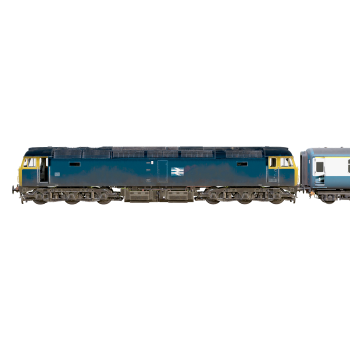
British British Rail Class 47 Diesel Electric Locomotive
Also known as BrushType4, is a diesel-electric locomotive developed by BrushTraction in the 1960 s. These locomotives occupy an important position in the history of British railways and are the largest number of diesel cars in the British main line. It is known for its Sulzer12LDA28C twin-engine twelve-cylinder engine. Not only for passenger transport, but also for freight transport, it has been in service on British Rail for more than 55 years. Despite the introduction of more modern types of traction, a considerable number of Class47 locomotives were still in use, both on main line railways and heritage railways.

British Class 47 Freightliner Diesel Electric Locomotive
It was a diesel-electric locomotive developed by BrushTraction in the 1960 s. A total of 512 units were produced, the largest number of a class of mainline diesel cars in the UK. Used on British Railways for more than 55 years in passenger and freight services, a considerable number of locomotives are still in use, both on main line and heritage railways, despite the introduction of more modern types of traction. As of July 2024, 76 Class47 locomotives still exist. Acclaimed for its durability and versatility, it is an important symbol in the history of British railways.

British saddle type water tank steam locomotive
It is a 38 ton saddle type water tank steam locomotive manufactured by Avonside Engine Company of Bristol. Originally designed for the Lamport Ironstone mining railway, located near Brixworth in the UK. Known for its unique saddle shaped water tank design, which allows the water tank to be located at the top of the boiler, providing better weight distribution and maneuverability. I have worked on industrial railways for many years and have made significant contributions to the transportation of iron ore in mines. It is an important symbol in the history of British railways.

Popular Models
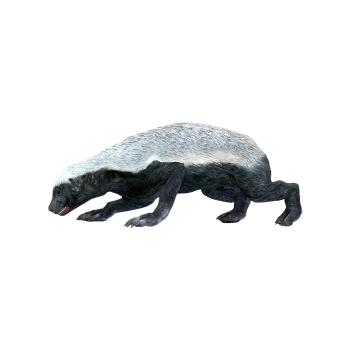
Honey Badger (3D animated model)
194 View
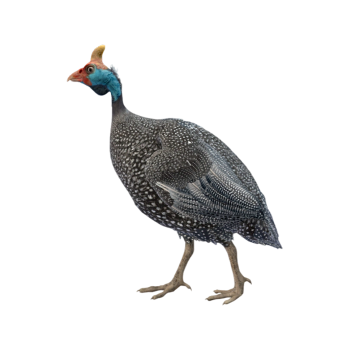
Guinea fowl (3D animated model)
165 View
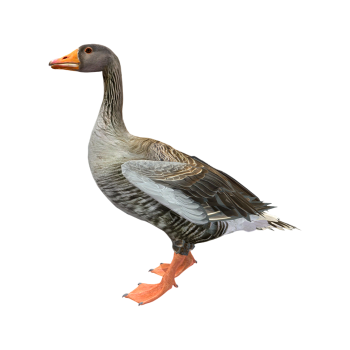
Wild Goose (3D animated model)
187 View
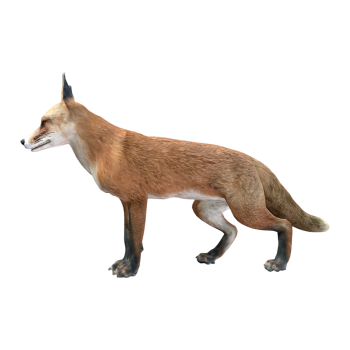
Red Fox (3D animated model)
155 View
Random Model
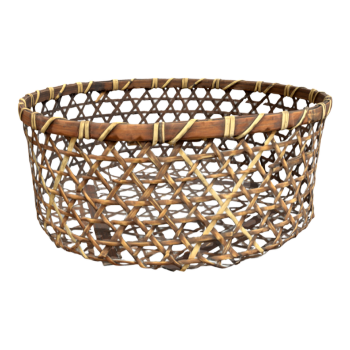
Chinese Country Woven Bamboo Basket
942 View

Sony TC-510-2 tape recorder
833 View
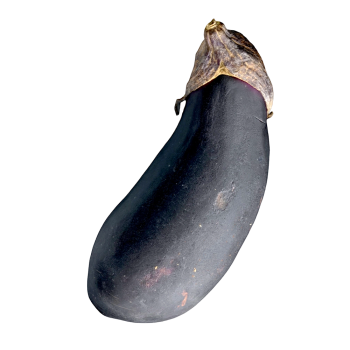
Eggplant
266 View

Rural Country Old Wooden Bench
1134 View
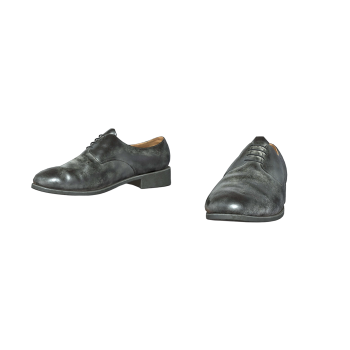
old man's shoes
439 View


JunakM07 four stroke motorcycle
678 View


Apollo 11 space suit
1227 View